
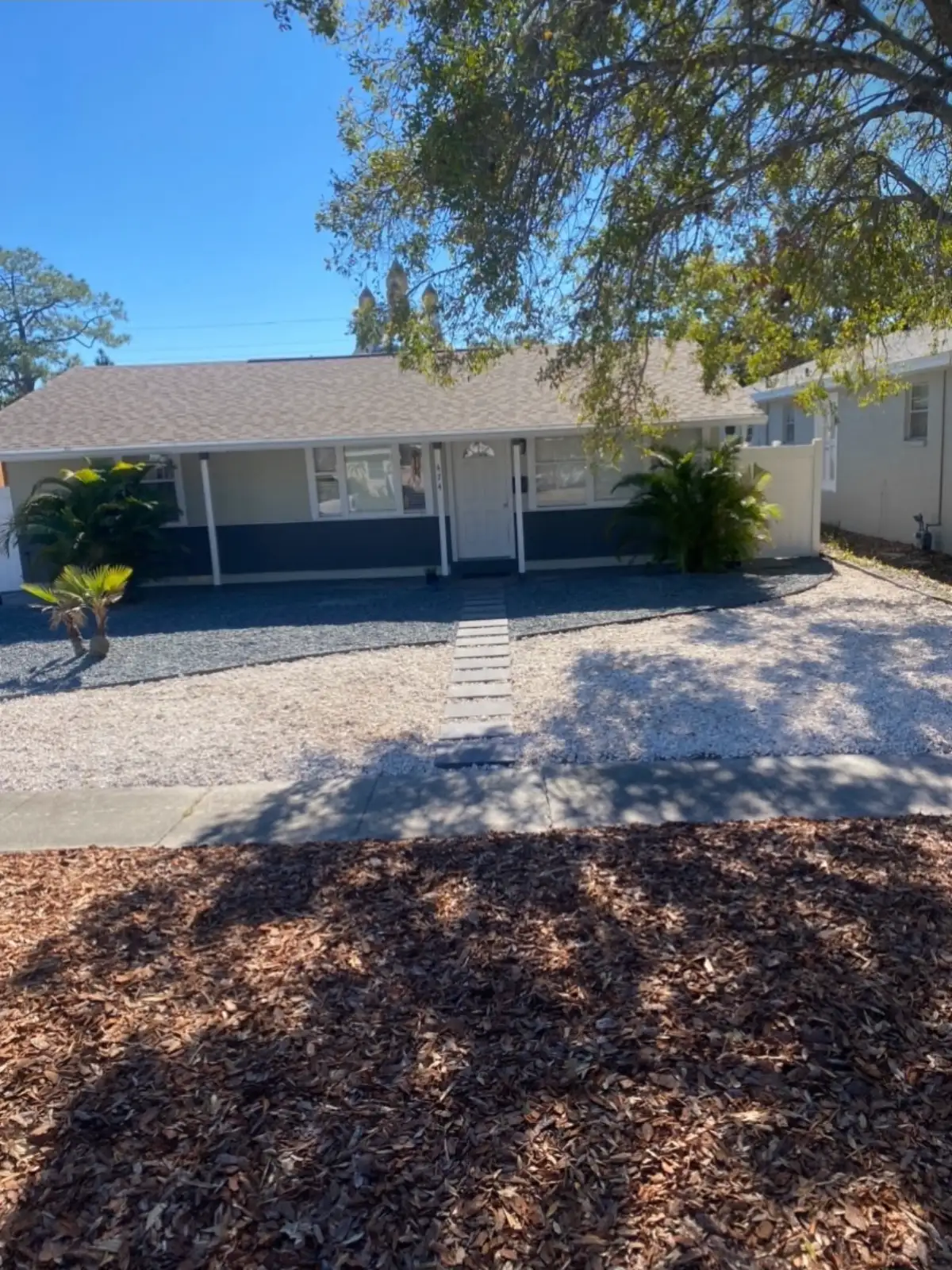
Paver Patios, Driveways, and Pool Decks Built for Florida
$12 to $25 per square foot installed. Concrete, brick, or travertine pavers on a proper compacted base that will not shift, settle, or crack in Florida's sandy soil. Most patios done in 3-5 days.
What Paver Installation Costs and Why It Varies
Paver installation in St. Petersburg runs $12 to $25 per square foot including excavation, base material, compaction, pavers, polymeric sand, and edging. A 300-square-foot backyard patio comes in between $3,600 and $7,500. A two-car paver driveway (400 to 600 square feet) runs $4,800 to $15,000.
The range depends almost entirely on two things: material choice and site conditions. Standard gray concrete pavers on a flat lot with easy access hit the lower end. Travertine on a sloped property that needs grading, a retaining wall, and difficult equipment access pushes toward the top.
Here is what we see the most in Pinellas County: backyard entertaining patios ($5,000-$10,000), front walkway replacements ($2,500-$5,000), pool deck surrounds ($8,000-$20,000), and full driveway replacements ($8,000-$18,000). We quote every job individually and pricing is locked before we start work.
Concrete vs Brick vs Travertine -- For Florida
Concrete pavers ($12-$16/sqft installed) are the workhorse of the paver world. Available in dozens of colors, shapes, and textures. They handle Florida's heat, rain, and UV without breaking down. Modern concrete pavers look nothing like the gray rectangles from the 1990s. Interlocking styles, tumbled finishes, and large-format options compete with natural stone at a fraction of the cost.
Brick pavers ($14-$20/sqft installed) deliver the classic look. Real clay brick ages beautifully in Florida's humidity, developing a patina over time that concrete cannot replicate. They perform well under Florida sun without fading because the color runs through the entire brick rather than sitting on the surface. Downsides: fewer shape options and slightly higher cost than concrete.
Travertine pavers ($18-$25/sqft installed) are the premium choice, especially for pool decks. Natural stone with a porous surface that stays significantly cooler than concrete or brick in direct Florida sun -- 20 to 30 degrees cooler on a summer afternoon. Excellent wet traction when sealed. The natural variation in color and texture creates a high-end look that stamped concrete tries to imitate but never matches.
Our Florida-specific recommendation: Concrete pavers for driveways and walkways where durability and cost matter most. Travertine for pool decks where heat and wet traction are critical. Brick for front-facing patios and entertaining areas where appearance is the priority.
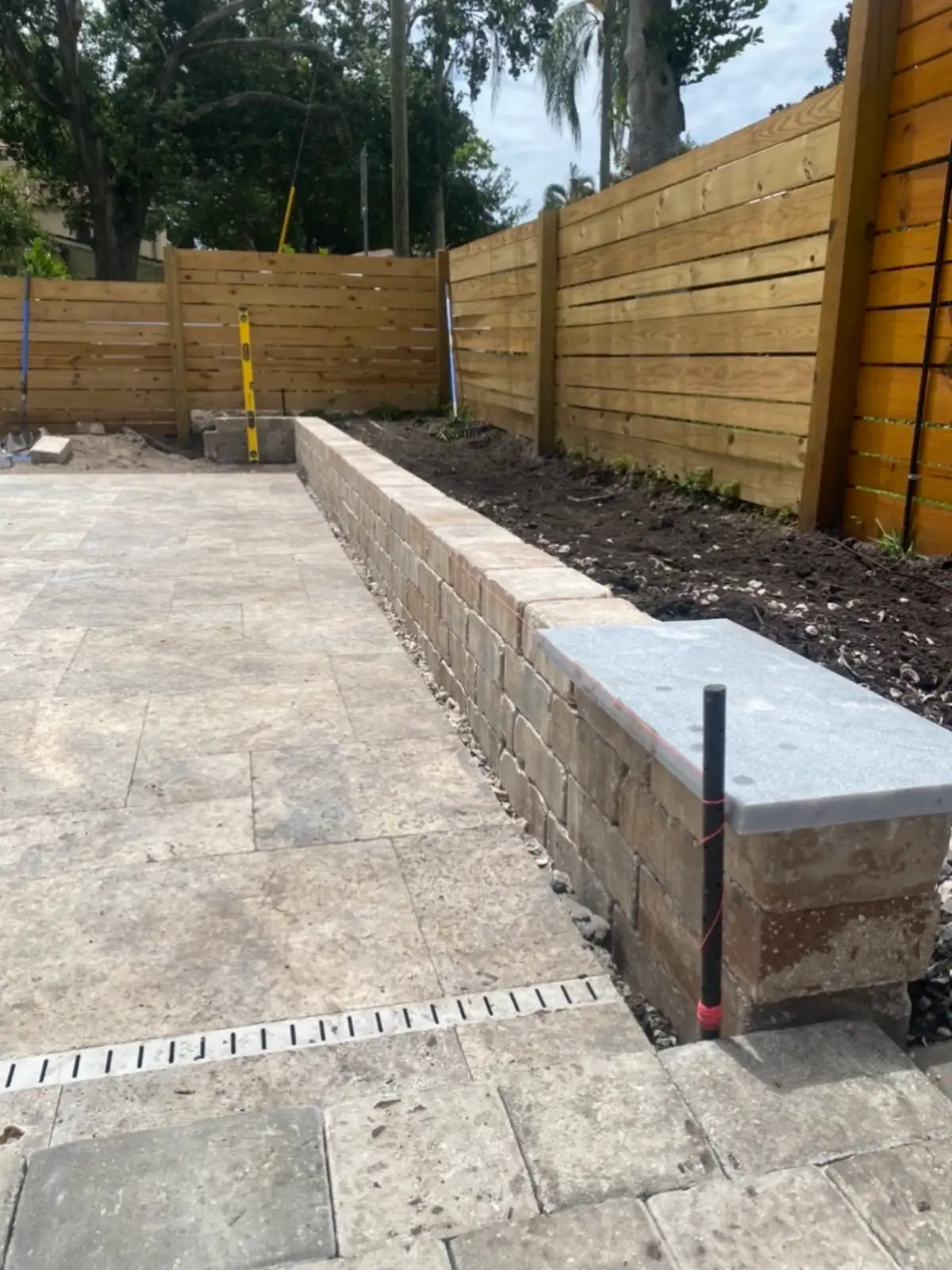
Why Pavers Outlast Poured Concrete in Florida
Poured concrete is cheaper upfront. A basic concrete patio or driveway costs $6 to $10 per square foot. So why do pavers cost more and why are they worth it in Florida specifically?
Florida's sandy soil moves. The ground shifts, settles, and expands with our wet-dry cycles. Poured concrete is rigid -- it cannot flex with soil movement. When the ground moves, concrete cracks. That crack is permanent. Fixing it means jackhammering out the entire section and pouring new. Pavers are individual units on a flexible base. They shift with the soil without cracking. If one section settles, you lift the pavers, add base material, compact, and relay them. Takes an hour, costs almost nothing.
Tree roots destroy concrete. Live oaks and palms throughout St. Pete send roots under hardscape surfaces. Those roots heave concrete slabs, creating trip hazards and unsightly cracks. With pavers, you remove the units over the root, trim or redirect the root, and relay the pavers. No visible repair, no replacement cost.
Florida heat cycles. Concrete absorbs heat all day and radiates it back at night. Pavers -- especially lighter colors and travertine -- handle thermal expansion better and stay cooler underfoot. After a summer afternoon, the difference between standing on a concrete slab and a travertine paver patio is immediately noticeable.
How We Build a Paver Surface That Lasts Decades
1. Design and Layout
We measure the area, discuss pattern options, select materials, and stake out the exact footprint. You see exactly where the patio or walkway will fall on your property before any digging starts. Changes are easy at this stage and free.
2. Excavation
We dig out 6 to 8 inches below the finished grade. That depth provides room for the compacted base, sand setting bed, and pavers at the correct final elevation. Excavated material gets hauled off-site.
3. Base Compaction
Crushed limestone goes down in 2-inch lifts, each mechanically compacted with a plate compactor. This is where cheap installers cut corners. A thin or poorly compacted base settles within the first year, creating uneven pavers and drainage issues.
4. Edge Restraint
Aluminum or concrete edge restraint gets installed around the perimeter and secured with spikes. This prevents pavers from spreading outward over time. Without proper edging, the outside rows slowly migrate and gaps open up.
5. Sand Bed and Paver Placement
A 1-inch layer of bedding sand gets screeded to a precise level. Pavers are placed by hand in the chosen pattern, cut to fit at edges and around obstacles, then compacted with a plate vibrator to seat them into the sand.
6. Polymeric Sand and Sealing
Polymeric sand fills all joints, then gets activated with water to harden and lock pavers together. This prevents weed growth and insect intrusion between pavers. Optional sealant goes on after a 30-day cure period.
Ready to Upgrade Your Outdoor Space?
From a simple walkway to a full backyard patio with fire pit and retaining walls, we handle paver projects of every size across St. Petersburg and Pinellas County. Free estimates with material samples brought to your property.
Request a Free EstimateA Cracked Concrete Patio Replaced in Pinellas Park
A homeowner in Pinellas Park had a 15-year-old poured concrete patio that had cracked in three places from tree root pressure and soil settling. Two of the cracks were bad enough to create trip hazards where the slab sections had heaved at different heights.
They got quotes from two other companies to patch and resurface the concrete. Both came in around $3,000 with no guarantee the patches would not crack again within a year on the same shifting soil.
We proposed removing the concrete entirely and installing interlocking concrete pavers on a proper 6-inch compacted base. Total project: 350 square feet of old concrete demolition and removal, new base installation, and Tremron Stonehurst pavers in a herringbone pattern. We also trimmed the offending oak root and installed a root barrier to prevent future intrusion.
Total cost: $6,200. Timeline: 4 days. The pavers can flex with future soil movement without cracking, and if the root eventually grows back, individual pavers can be lifted and relaid without replacing the entire surface. That is the difference between a band-aid fix and a permanent solution.
Pool Deck Pavers -- The Florida Heat Problem Solved
Pool decks in Florida have a unique challenge that properties in other states do not face: the surface has to stay cool enough to walk on barefoot in August. Standard gray concrete pavers around a pool can reach 150-plus degrees on a sunny afternoon. That is genuinely painful to walk on.
We solve this three ways:
- Travertine -- Natural porous stone that stays 20-30 degrees cooler than concrete. The gold standard for Florida pool decks. Its rough surface also provides excellent wet grip
- Light-colored concrete pavers -- White, cream, or sand-colored pavers reflect more heat than darker options. Budget-friendly alternative to travertine with good performance
- Textured finishes -- Tumbled or bush-hammered surfaces provide traction on wet feet. Smooth finishes around pools are a slip-and-fall liability
We never recommend dark-colored pavers for pool decks in Florida. The aesthetic is not worth the burn risk. Every pool deck quote includes a material recommendation based on your budget, the pool's sun exposure, and whether kids use the area.
Paver Installation Questions
Paver installation runs $12 to $25 per square foot fully installed. A 300-square-foot patio costs $3,600 to $7,500. Standard concrete pavers hit the lower end at $12 to $16. Brick runs $14 to $20. Travertine is the premium option at $18 to $25. Price includes excavation, base, edging, pavers, polymeric sand, and cleanup.
In Florida specifically, yes. Our sandy soil shifts and settles, which cracks rigid concrete slabs. Pavers flex with soil movement without cracking. When settling does occur, individual pavers can be lifted, releveled, and relaid in under an hour. Poured concrete repairs mean jackhammering and replacement. Pavers also handle tree root pressure better -- you can remove and relay units rather than replacing entire sections.
Travertine is the top choice because its porous surface stays 20 to 30 degrees cooler than concrete pavers in direct sun. It also provides excellent wet traction when sealed properly. For budget-conscious pool projects, lighter-colored concrete pavers with a textured finish offer decent heat performance at a lower cost. We never recommend dark pavers around pools -- they get too hot for bare feet in Florida summers.
Properly installed pavers on a well-prepared base last 25 to 50 years. The pavers themselves are nearly indestructible. What fails is the base underneath if it was poorly compacted, or the joint sand if polymeric sand was not used. We install on a minimum 6-inch compacted limestone base with polymeric sand to maximize lifespan. Resealing every 2 to 3 years maintains appearance.
Sealing is optional but recommended for Florida. It protects against UV fading, prevents mold and algae growth in our humid climate, locks polymeric sand in place, and makes cleaning easier. We apply an initial seal after 30 days of curing, then recommend resealing every 2 to 3 years. Unsealed pavers still last decades but may develop algae staining faster in shaded, humid areas.
A standard 300-square-foot patio takes 3 to 5 days. Driveways and larger projects take 5 to 10 days. Summer afternoon storms can add 1 to 2 days since base compaction cannot be done in rain. We provide an exact timeline during the estimate and keep you updated on any weather-related schedule adjustments.
Sometimes. If the existing concrete is level, structurally sound, and properly graded for drainage, we can install pavers on a thin-set mortar bed over it. If the concrete is cracked, heaved, or settled, it needs to come out first. Overlaying on bad concrete just transfers the problems to the new surface. We evaluate this during the free estimate and give an honest recommendation.
Yes. Many patio projects require a retaining wall or seat wall to handle grade changes. We build walls from matching materials so everything looks cohesive. Seat walls double as built-in seating around the patio perimeter, eliminating the need for extra furniture. Wall cost depends on height and material -- see our retaining walls page for details.
Complete the Outdoor Living Space
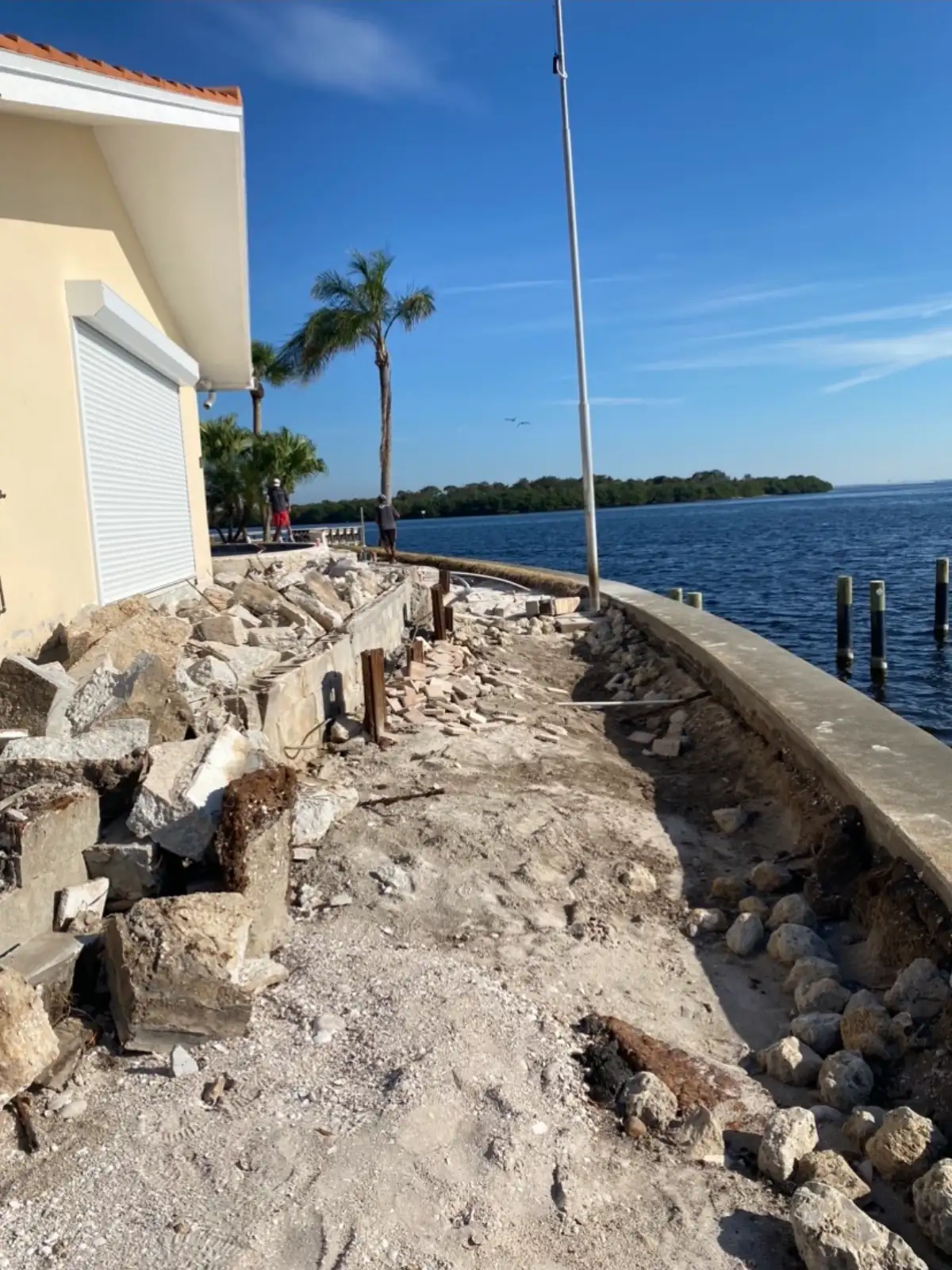
Retaining Walls
Grade changes, seat walls, and terracing that pair with paver patios for multi-level outdoor spaces.
Learn More →
Fence Installation
Privacy fencing that frames your new patio space. Wood, vinyl, and aluminum options for every style and budget.
Learn More →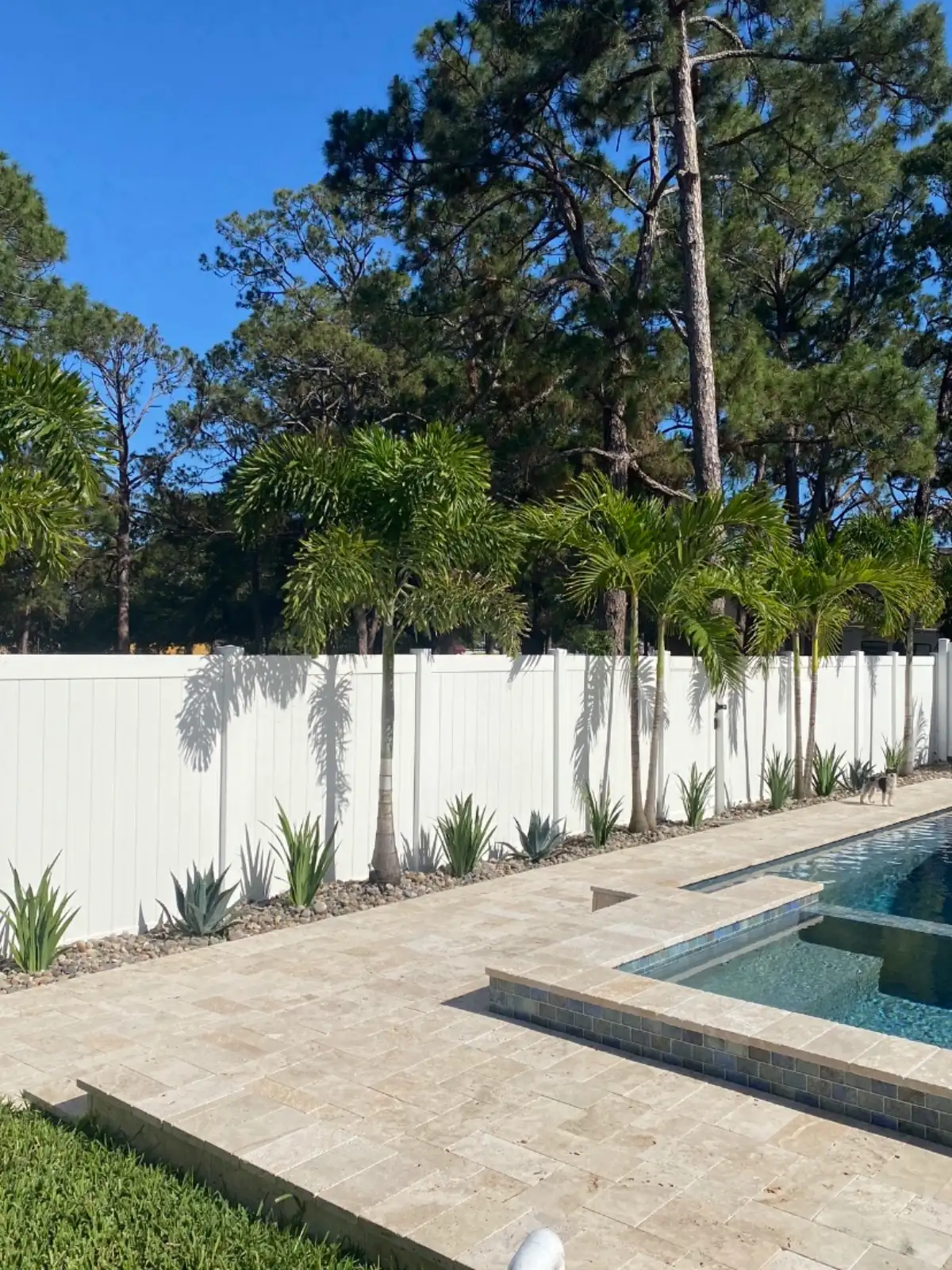
Landscape Design
Plantings, beds, and features that soften hardscape edges and tie the patio into the surrounding landscape.
Learn More →